- Drilling costs are widely quoted, but filtration, electrical, plumbing tie-in, and ongoing maintenance can easily add R30,000 to R80,000 to your total system cost.
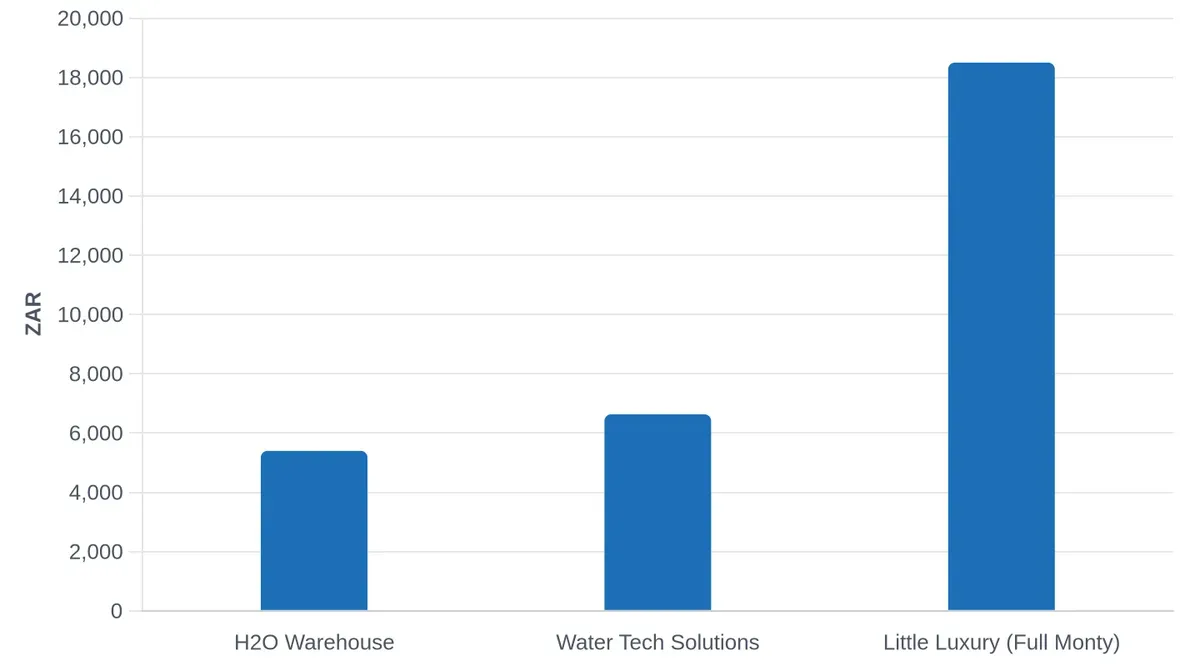
- A basic 3-stage plus 55W UV setup starts from R5,398 (h2owarehouse.co.za). A pre-built whole-house system like Little Luxury’s Full Monty costs R18,500. Whole-house RO configurations run R25,000 to R35,000 (AfriPumps).
- Iron, manganese, and sulphur contamination are the single biggest reason borehole owners end up spending far more than budgeted on filtration.
- The estimated 10-year running cost for a household borehole is approximately R61,800 (rainbow-reservoirs.co.za), not including the capital cost of drilling and initial installation.
- Standard 15% VAT applies to all residential water filtration hardware and borehole drilling. No exemption exists (taxfaculty.ac.za).
- New municipal tariffs, including Mbombela’s R406.50 per month flat borehole fee, are changing the financial equation for private borehole owners in 2026.
Most borehole cost guides stop at the drill bit. They quote you R320 to over R1,500 per metre for drilling (boreholehub.co.za), add a pump, and call it done. What they skip is the part that keeps owners up at night: treating the water so it is actually safe to drink, understanding why your geyser element is failing after 18 months, and budgeting honestly for a decade of ownership. This guide fills that gap.
Whether you are planning a new borehole or trying to bring an existing one up to SANS 241 standard, every price below traces to a verified South African source. Where evidence is partial or site-specific, this guide says so plainly.
Why Filtration Costs Are Not Optional
South African groundwater is not a uniform product. Depending on your geology, your borehole water may carry iron, manganese, sulphur, nitrates, coliform bacteria, high total dissolved solids (TDS), or a combination of all of the above. Each contaminant requires a different treatment stage, and underestimating this is the most common and most expensive mistake borehole owners make.
“I paid around 55k for 50m to 60m drilling, with casing. Borehole pump was around 30k. Filtration system around 27k. My water was too sulphuric and irony.”
Leisure Larry, MyBroadband Forum, on total system costs when iron is present
That R27,000 filtration bill is not unusual for water with combined iron and sulphur problems. The lesson here is that your water chemistry, not the depth of the borehole, drives your filtration budget. This is why a SANS 241 water test, costing R1,500 to R5,000 (boreholehub.co.za), is not an optional extra but a prerequisite for accurate budgeting.
“The problem is that you sometimes need some expert advice… it will cost you a lot more not only money but also frustration and disappointment experimenting if you have to redo the filtering system if it fails. You can start by having your water tested as nobody [can guess].”
Peter Topp, Power Forum SA, on the importance of testing before specifying any filtration system
The Full Capital Cost Picture: Drilling to Tap
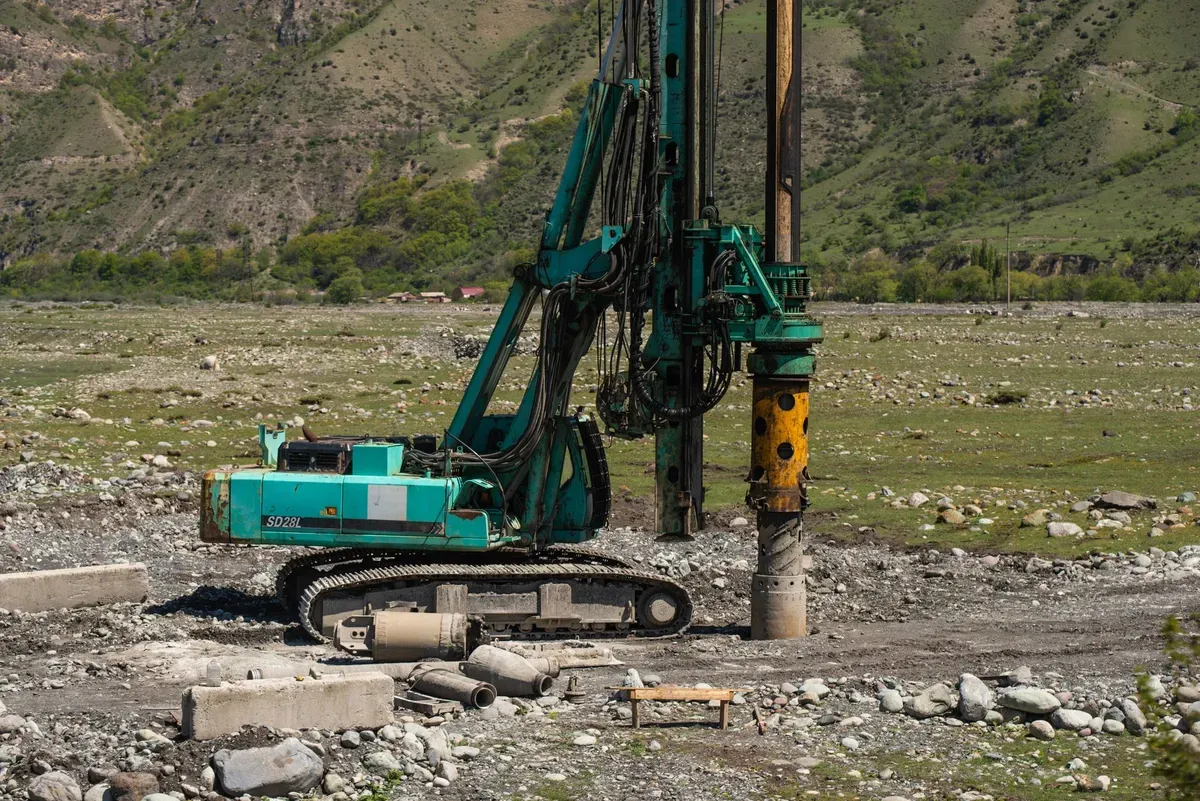
Before diving into filtration-specific costs, it is important to understand the complete capital cost framework. Many owners focus on the drilling quote and are blindsided by everything that follows. Here is a realistic breakdown of every line item from geological survey to a running tap.
| Cost Component | Typical Range (ZAR, incl. VAT) | Source |
|---|---|---|
| Geological survey | R2,000 to R5,000 | groundwatersurveys.co.za |
| Drilling (per metre) | R320 to over R1,500/m | boreholehub.co.za |
| Water testing (SANS 241) | R1,500 to R5,000 | boreholehub.co.za |
| Submersible pump supply and install | R5,000 to R25,000 | boreholepros.co.za |
| VSD pump for solar integration | From R12,495 | liquaflo.co.za |
| Filtration and UV disinfection | R12,500 to R13,950 | waterquotes.co.za |
| Plumbing tie-in | R4,000 to R25,000 | savvyplumbing.co.za |
| Electrical labour and CoC | R2,000 to R15,000 | boreholerepairs-johannesburg.co.za |
| Concrete bases and stands | R1,500 to R4,000 | boreholerepairs.co.za |
| Contingency (recommended) | 10% to 15% of total | bwa.co.za |
A turnkey installation with a 60-metre depth, standard pump, basic filtration, and full plumbing tie-in will realistically land between R65,000 and R120,000 for most residential properties. The variance is large because geology, water quality, and site access vary enormously across South Africa’s nine provinces. GP Irrigation, to give one benchmark, offers a turnkey drilling, pump, and filtration installation backed by a 5-year warranty, which provides some downside protection on the capital outlay.
Filtration System Pricing: Entry Level to Commercial Grade
Once you have your water test results, you can start specifying treatment stages. The market in South Africa falls into three broad tiers.
Tier 1: Basic Sediment and UV (Clean Water, Low Mineral Load)
If your water test shows low iron and manganese, and no significant chemical contamination, a 3-stage sediment and carbon filter bank paired with a UV steriliser is often sufficient. Prices for complete packaged units:
- H2O Warehouse complete 3-stage plus 55W UV unit: R5,398 (h2owarehouse.co.za)
- Water Tech Solutions equivalent package: R6,633 (watertechs.co.za)
- 55W UV steriliser alone (whole-house, 2,700 L/hr): R2,232 to R2,350 (thewatersolarcompany.co.za, H2OGuru)
- 110W dual-lamp UV (heavy duty, 5,400 L/hr): R4,798 to R5,195 (purewater4life.co.za, The Water Solar Company)
Ongoing consumable cost at this tier is modest. Sediment filter cartridges (20-inch Big Blue) cost R150 to R190 per cartridge (purifiers.co.za), with most households replacing them every 3 to 6 months depending on sediment load. The UV lamp itself needs annual replacement because, as one experienced forum user noted, it only lasts approximately 10,000 hours of continuous use, which is roughly one year of 24-hour operation.
“To save on the UV light time as it only lasts 10,000hrs (about 1yr continuous use) and expensive I connected it to the irrigation valve control so that it only switches on when the tank is filling.”
Peter Topp, Power Forum SA, on managing UV lamp lifespan in a borehole system
Tier 2: Iron, Manganese, and Sulphur Removal (The Most Common SA Problem)
Iron and manganese are present in groundwater across large parts of Gauteng, KwaZulu-Natal, and Limpopo. Elevated sulphur is common in coastal and low-lying areas. These contaminants require dedicated media filtration before your UV stage will work effectively, because iron particles can shield bacteria from UV light.
Common treatment media options and their costs:
- BIRM iron and manganese removal media: widely available, requires regular backwashing, effective lifespan of approximately 5 years with correct maintenance.
- Katalox Light oxidation media: R2,900 per 30kg bag (The Water Solar Company). This is a premium option that does not require chemical regeneration.
- Automated Mega Char carbon systems (50L to 150L setups): R10,246 to R24,036 (Pure Water 4 Life).
“BIRM does work well for me to remove the iron and manganese… Birm has to be backwashed regularly to maintain lifetime of about 5yrs. It also helps if there is air in water to oxidise the iron… I originally used ‘MADDOX’ (green sand) however due to my lack of research I found out it has to be regenerated with potassium permanganate which would be a pain. I wasted about R2000.00.”
Peter Topp, Power Forum SA, on choosing the right iron removal media
This quote highlights a real risk: specifying the wrong media costs money twice, once to buy it and again to replace it. A water test that confirms your exact iron and manganese concentrations removes this guesswork entirely.
Backwash cycle management also matters operationally, not just financially:
“Doing so with the filter may cause more problems as those filters really need to run backwash for 5 to 10 minutes and then about 5 on rinse. Any shorter and the media doesn’t really get time to lift which could cause blockages.”
Forum contributor on the hidden complexities of filter backwash maintenance
Tier 3: High-TDS and Hard Water (Reverse Osmosis)
Where borehole TDS levels are high or where water hardness is causing appliance damage, reverse osmosis becomes necessary. Hard water attacks geysers, kettles, dishwashers, and washing machines, and the downstream cost of appliance failure can easily exceed the cost of proper treatment.
“Total cost was around R100K but I drilled nearly 100 meters deep… The downside is the water is hard on my elements (kettle, dishwasher, washing machine and geyser), so I’m now looking at installing a Jojo filter on the line… I currently feed the whole everything off one pump, and I think that’s a [mistake].”
CRAIG, MyBroadband, on the hidden cost of hard borehole water on household appliances
RO pricing in the South African market:
- 5-stage 80GPD domestic RO with booster pump (high-TDS): R4,000 to R5,000 (Osmotech). This is a point-of-use unit, typically for drinking water only.
- Whole-house RO configurations: R25,000 to R35,000 (AfriPumps). This is for properties where the entire household supply needs de-mineralisation, which is a serious commitment in cost and ongoing membrane maintenance.
Pre-Built Complete Systems
For owners who prefer a single turnkey solution without specifying individual stages, pre-packaged systems offer convenience at a premium:
- Little Luxury’s The Full Monty complete pre-built system: R18,500 (littleluxury.co.za)
Pre-built systems make sense when your water test results match the system’s design parameters. Ask the supplier to confirm the system handles your specific contaminant profile before purchasing.
The 10-Year Cost of Ownership: What Nobody Tells You
Capital cost is only part of the story. A borehole is a 15 to 25-year infrastructure investment with meaningful ongoing expenses. Rainbow Reservoirs estimates the 10-year running cost of a household borehole at approximately R61,800. This figure covers consumables, maintenance, and component replacement, but not the original capital installation.
| Cost Item | Frequency | Cost per Event (ZAR) | 10-Year Estimate |
|---|---|---|---|
| Sediment filter cartridge replacement | Every 3 to 6 months | R150 to R190 each (purifiers.co.za) | R1,200 to R3,800 |
| Annual preventative maintenance service | Annual | R1,200 to R3,500 (boreholedrillingcapetown.co.za) | R12,000 to R35,000 |
| Pro service package (Gauteng) | Annual | R1,000 to R2,500 (buildersingauteng.co.za) | R10,000 to R25,000 |
| Submersible pump replacement | Once or twice per decade | R5,000 to R25,000 (boreholepros.co.za) | R5,000 to R50,000 |
| UV lamp replacement | Annual (continuous use) | Varies by wattage | Included in service or separate |
| Water quality testing | Every 2 to 3 years | R1,500 to R5,000 (boreholehub.co.za) | R4,500 to R20,000 |
| DIY repair or tamper service fee (Puritech) | If warranty voided | R550 ex VAT per callout (Puritech) | Variable |
The pump replacement line deserves special attention. A submersible pump running 24 hours a day in mineralised or sandy water may not last 10 years. The R5,000 to R25,000 replacement cost (boreholepros.co.za) is a genuine contingency, not a theoretical one. This is why bwa.co.za recommends building a 10 to 15 percent contingency into your annual borehole budget.
The Pre-Filtration Trap: Why Tank and Pump Failures Happen
One of the most consistent themes in South African borehole owner forums is the discovery, usually after something breaks, that pre-filtration before the storage tank was inadequate. Sediment passing through directly into a tank causes build-up, accelerates pump wear, and in hard water areas creates the calcium scaling described below.
“The borehole/pump combo can produce a constant 2000l/hour and the tank overflows every day… Hind sights: If I have to redo the above, I’ll install a back washable sediment filter before the tank.”
MyBroadband forum contributor on the necessity of robust pre-filtration
“We use borehole water to flush so we have calcium build up and it actually goes black after a few months. A little pool acid cleans it like new in about 30 minutes.”
MyBroadband forum contributor on mineral buildup from hard groundwater
The practical implication: a backwashable sediment pre-filter installed upstream of your storage tank is a one-time cost that prevents repeated downstream costs. Budget R3,000 to R8,000 for this stage depending on flow rate and media type.
The Municipal Tariff Factor: A New Cost in 2026
A development that directly affects the financial case for private boreholes in 2026 is the rollout of municipal borehole tariffs. Two examples from opposite ends of the country illustrate the trend.
The City of Mbombela has implemented a flat fee of R406.50 per month per borehole for residential properties (citizen.co.za). This is a fee levied regardless of how much water you actually draw from the borehole. It adds R4,878 per year to the cost of borehole ownership in Mbombela.
The City of Johannesburg charges R552.35 per calendar month as a water availability fee for unmetered occupied residential stands (joburg.org.za). Over a year, that is R6,628.20.
These tariffs are contested. The Mbombela Ratepayers objection states directly:
“The imposition of a flat availability fee, regardless of water usage or connection status, violates Section 74 of the Local Government: Municipal Systems Act, 2000, which mandates that tariffs be fair and equitable, cost-reflective, and structured to promote affordability.”
Mbombela Ratepayers Objection, 2026 tariff schedule
And Freedom Front Plus councillor Ken Robertson noted:
“Communities have been plagued by an unreliable water supply… self-sufficient residents are being penalised.”
Ken Robertson, Freedom Front Plus councillor, on Mbombela’s borehole tariffs
The legal challenges are ongoing, but borehole owners in Mbombela and Johannesburg need to factor these fees into their annual cost of ownership calculations right now. Other municipalities may follow with similar structures. The Western Cape Government’s 2026/27 budget has allocated R40.5 million for municipal water resilience projects (westerncape.gov.za), which reflects a broader policy recognition that groundwater infrastructure requires formal management frameworks.
Separately, the Department of Water and Sanitation’s 2026 draft regulations on private borehole registration signal that the era of completely unregulated private groundwater extraction is ending. DWS Director Raquel Nosie Mazwi summarised the department’s position clearly:
“All we want is for you to tell us where your borehole is, who your driller was, and how much water you are taking out.”
Raquel Nosie Mazwi, Director of Mine and Industrial Water Quality, DWS, Farmer’s Weekly, June 2026
VAT and Tax: No Exemption Exists
Some suppliers advertise prices ex-VAT and some include it. Standard 15% VAT applies to all residential water filtration hardware, borehole drilling, and off-grid water equipment with no exemption (taxfaculty.ac.za). When comparing quotes, confirm whether prices are VAT-inclusive. A R10,000 ex-VAT system becomes R11,500 delivered. Over a complex multi-stage installation, this difference is material.
Choosing Between DIY and Professional Installation
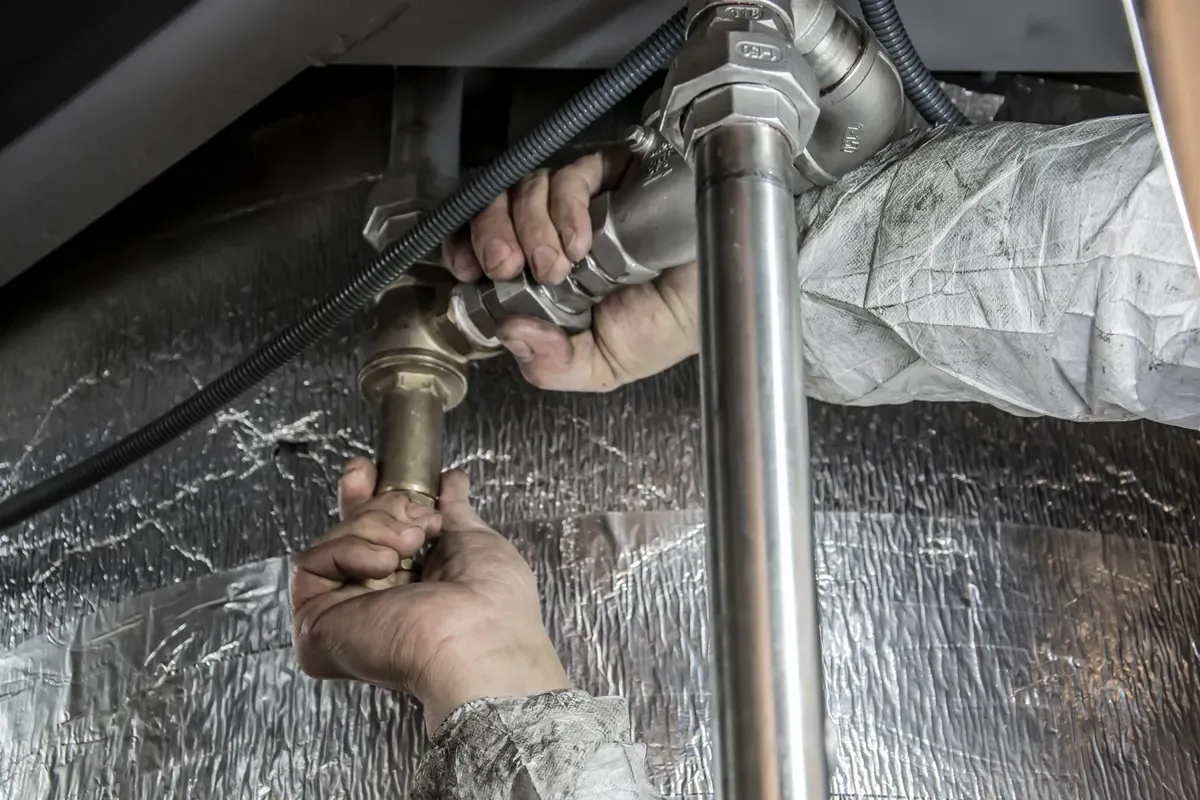
For municipal backup water systems, the gap between DIY and professional installation costs is dramatic and well-documented in South African owner forums. For borehole filtration specifically, the complexity of pump sizing, electrical compliance, and water chemistry matching makes professional installation the lower-risk path for most homeowners.
One practical consideration from an experienced irrigation engineer, quoted on the forums, captures the sequencing principle that professionals follow:
“Firstly you chose a pump only after the hole has been drilled. You don’t know if there is water and how much… you need to drain the hole and do a pressure and volume test to see how much water you can pull and spec the pump and motor according to that.”
Forum contributor quoting Senwes irrigation engineering advice, on correct pump specification sequence
Skipping this step means either undersizing the pump (poor yield, motor burnout) or oversizing it (drawing the borehole dry, voiding warranties). Either outcome is expensive. GP Irrigation’s 5-year warranty on turnkey installations is one way to transfer this risk.
Get filtration sizing and cost right before drilling your borehole
Filtration System Comparison Table: Key Specifications and Costs
| System Type | Best For | Capital Cost (ZAR) | Annual Running Cost (approx) | Source |
|---|---|---|---|---|
| 3-Stage plus 55W UV (basic) | Low-iron, low-mineral water | R5,398 to R6,633 | R800 to R2,000 (cartridges, lamp) | h2owarehouse.co.za, watertechs.co.za |
| BIRM or Katalox iron/manganese filter | Iron and manganese removal | R2,900 (media) plus housing and plumbing | Backwash water and electricity; media replacement every 5 years | The Water Solar Company |
| Automated Mega Char 50L to 150L | High sediment and organic load | R10,246 to R24,036 | Media top-up, annual service | Pure Water 4 Life |
| 110W dual-lamp UV (heavy duty) | High-flow households, high bacteria risk | R4,798 to R5,195 | Annual lamp replacement | purewater4life.co.za, The Water Solar Company |
| Pre-built complete system (Full Monty) | Clean water requiring multi-stage treatment | R18,500 | Per supplier service schedule | littleluxury.co.za |
| 5-stage domestic RO with booster pump | High-TDS, drinking water point-of-use | R4,000 to R5,000 | Membrane replacement every 2 to 3 years | Osmotech |
| Whole-house RO system | Severe TDS or hardness across entire property | R25,000 to R35,000 | High (membranes, service, reject water) | AfriPumps |
Ten-Year Cost-of-Ownership Comparison
To give a direct comparison between typical owner scenarios, here are three realistic 10-year cost profiles. These use the verified figures above and the R61,800 running cost estimate from rainbow-reservoirs.co.za as a reference anchor. Capital costs assume a 60-metre borehole.
| Scenario | Initial Capital | 10-Year Running Costs | 10-Year Total (approx) |
|---|---|---|---|
| Clean water, basic UV filtration, no municipal tariff | R70,000 to R90,000 | R25,000 to R40,000 | R95,000 to R130,000 |
| Iron/sulphur-affected water, multi-stage filtration | R90,000 to R130,000 | R40,000 to R65,000 | R130,000 to R195,000 |
| High-TDS, whole-house RO, Joburg availability fee included | R110,000 to R160,000 | R66,000 to R100,000 (running costs plus R66,280 in Joburg fees over 10 years) | R176,000 to R260,000 |
These are not worst-case figures. They reflect realistic mid-range costs using verified prices from South African suppliers. The scenario 3 total includes the Joburg availability fee of R552.35 per month for 10 years, which alone adds R66,282 to the cost of ownership. Owners in Mbombela face an additional R48,780 over 10 years from the R406.50 monthly borehole tariff.
Practical Steps Before You Spend a Rand on Filtration
- Test your water first. A SANS 241 test (R1,500 to R5,000) is the single most valuable document you can have before specifying any filtration equipment. It determines every subsequent decision.
- Size your pump after drilling. As the irrigation engineering advice above makes clear, the pump comes after the volume test, not before.
- Confirm your municipal tariff exposure. Contact your municipality before installation to establish whether a borehole tariff, availability fee, or registration requirement applies to your property. Factor this into your 10-year budget.
- Build in the 10 to 15 percent contingency. The bwa.co.za recommendation exists because borehole costs consistently run over budget when geological surprises, electrical compliance requirements, or water chemistry complexity is encountered.
- Check warranty terms carefully. Puritech’s out-of-warranty DIY repair service fee of R550 ex VAT is a reminder that unauthorised tampering with filter systems voids coverage. Know your warranty boundaries before you pick up a spanner.
Ready to find out what filtration options and pricing apply specifically to your address? Check my address to get location-specific water security information for your property.
Get started
Get filtration sizing and cost right before drilling your borehole
Vetted local installers · honest advice first
Photo: Alexey Demidov / Pexels