Key points
- Johannesburg Water loses 44-48% of all water supplied before it reaches a paying customer, three to four times the acceptable international benchmark of 10-15%.
- Physical leaks account for roughly 25% of total system input; 20,915 leaks were recorded across the city between July and November 2025, according to the Gauteng Water Security Dashboard.
- Water tariffs rose 13.9% from 1 July 2025, more than double the prevailing inflation rate, and a further 12.5% increase is proposed for 2026/27.
- A 5,000L backup tank fully installed costs R9,000-R25,000 with a 2-3 year payback; a full borehole runs R60,000, R135,000 and can save 30-80% on water bills long term.
- Recovery after major shutdowns can take 5-14 days, the minimum any backup system should be sized to cover.
A city haemorrhaging water, and billing you for it
Every day, Johannesburg Water distributes approximately 1.75 billion litres of potable water through 12,520 km of pipes, 129 reservoirs and towers, and 37 pump stations. In a well-run system, almost all of that water would reach homes and businesses. In Johannesburg, nearly half of it disappears before anyone can use it.
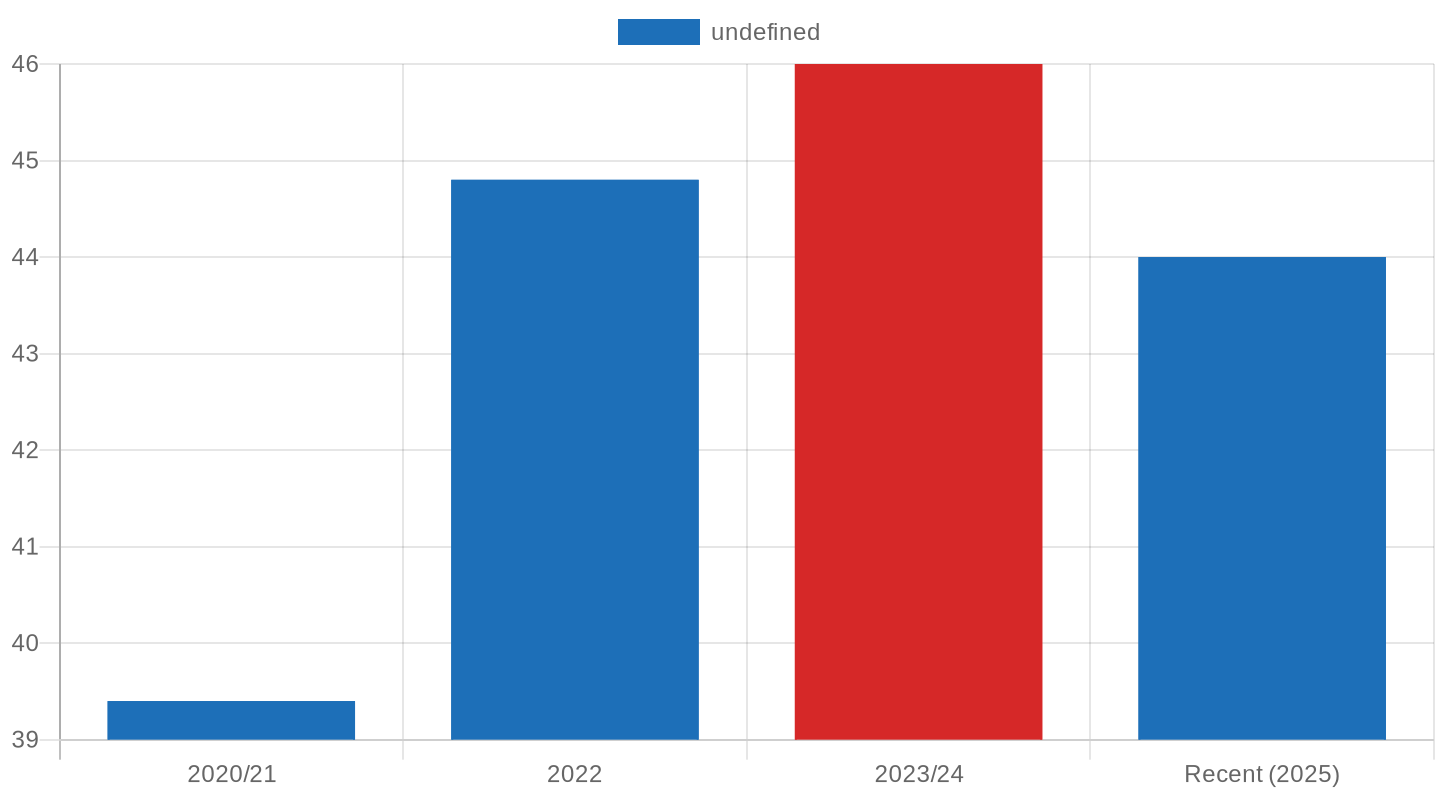
The non-revenue water (NRW) rate for the 2023/24 financial year was 46.2%. Unaudited figures from May 2025 put the figure as high as 48.4%. The Department of Water and Sanitation’s legal requirement is below 30%. Johannesburg has not been below 39% since at least 2020/21, and a good international target is 10-15%, making Johannesburg’s losses three to four times the acceptable benchmark.
The breakdown of that 46% NRW loss is: physical losses from leaks and pipe bursts (25%); authorised but unbilled consumption (11.7%); and commercial losses including theft, billing errors and illegal connections (9.7%). The Auditor-General’s 2024/25 report confirmed water losses of R2.8 billion, equivalent to 44.7% of supply, and flagged this as posing substantial harm to the public.
In hard rands, the scale of losses is staggering. In 2021/22, non-revenue water totalled R3 billion, equal to a full third of water revenue of R8.9 billion that year, with physical leaks alone costing R1.5 billion and commercial losses nearly R600 million. A 2025 report to Parliament pegged NRW at 44.8%, meaning the city bills and collects only 55.2% of water revenue, an annual revenue deficit of almost R7 billion. Over four years, the Auditor-General confirmed Johannesburg lost R10.3 billion worth of drinking water, while noting Johannesburg Water’s ‘failure to proactively maintain its water infrastructure’ and a culture of reactive emergency repairs that has allowed losses to remain above the 30% norm for four consecutive years.
Pipes that burst every ten minutes
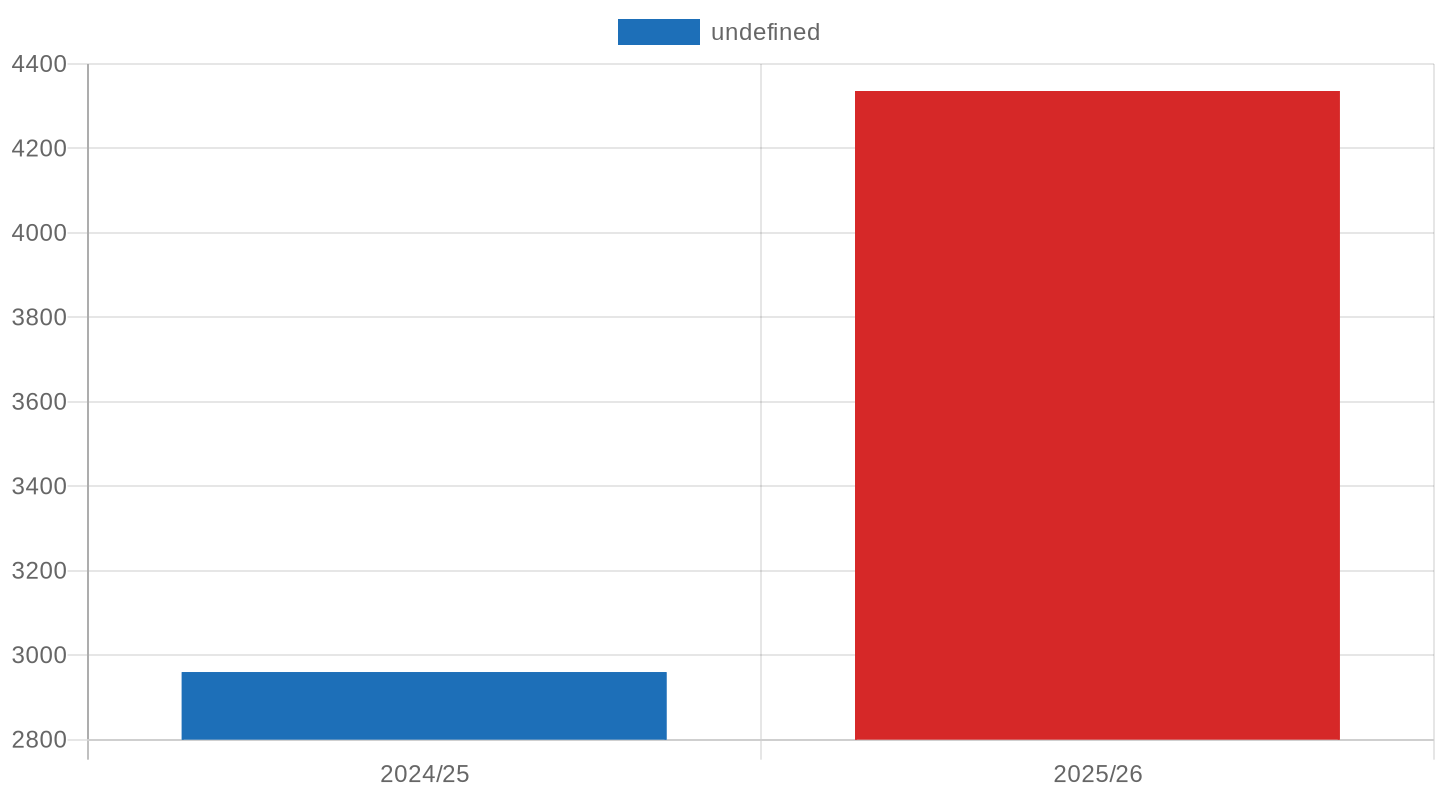
Pipe bursts have surged to 4,336 per month in the most recent quarterly report, 144 burst pipes every day, or one burst per municipal ward per day. According to Johannesburg Water’s quarterly report, the repair response rate stands at only 43.7% against a mandated target of 90%, meaning more than half of all burst pipes are not repaired on time.
In 2023/24, only 17 km of the 12,364 km pipe network was replaced, and 26% of Johannesburg Water’s infrastructure will reach end of lifespan within the next decade. Large sections of the city’s water infrastructure were built 80 years ago. Of the city’s 98 reservoirs, 21 are in urgent need of repair, and half of Joburg’s 42 active reservoirs are leaking. Because leaking and bypassed reservoirs cannot buffer supply, any routine Rand Water maintenance, which should not be felt by end users in a well-maintained system, directly causes hours or days of no water for consumers across the city.
Rand Water compounded the pressure by reducing supply to Johannesburg from 1,600 megalitres per day down to 1,356 Ml/day by September 2025. The Vaal Dam dropped to 35% capacity in 2024 against a normal operating level of approximately 75%. Johannesburg Water also began throttling supply between 21:00 and 04:00 from November 2024 to allow reservoir levels to rebuild overnight.
The financial picture behind the infrastructure gap is equally grim. Johannesburg Water faces a R27 billion infrastructure backlog and is renewing only 0.9% of assets per year against a required 2%, meaning it needs R3.1 billion annually over 10 years but the current capital budget is only R1.7 billion. In the October, December 2025 quarter, only 18% of capital expenditure funds were spent: R314 million of a target of R596 million. The City of Johannesburg also diverted R4 billion from Joburg Water’s account to pay for other municipal expenses, with the Auditor-General confirming the money exists only ‘on paper’ and is not accessible cash, leaving Joburg Water unable to pay contractors. The repair fleet of vehicles is operating at just 55% capacity.
One Emmarentia resident captured what this means in practice:
Will Johannesburg’s water crisis affect your address?
Free check takes under a minute — see your supply risk and backup options.
Vetted local installers · honest advice first